By Cheryl Ucci | May 27, 2026
By Cheryl Ucci
May 27, 2026
A quality early learning experience sets the tone for how children understand structure, communication, and curiosity in the years ahead. Families exploring early education options often want more than basic supervision; they want a setting that actively supports growth across cognitive, emotional, and social areas. A strong preschool environment helps children build independence while still feeling secure and guided throughout the day.
A well-designed preschool experience also supports families by offering consistency and predictability during important developmental years. Children benefit from routines that feel familiar, while parents gain confidence knowing their child is learning in a structured and supportive setting. A strong program creates balance between learning, play, and emotional development in a way that feels natural and engaging.
Establishing Foundational Learning Experiences
A quality preschool program begins with a structured learning experience that encourages curiosity and exploration. Children are introduced to foundational concepts through activities that feel interactive rather than rigid, helping them stay engaged throughout the day. This approach ensures that learning feels like discovery instead of instruction alone.
In a strong preschool environment, children are encouraged to ask questions, test ideas, and learn through hands-on experiences. These moments help build early problem-solving skills and support cognitive development in a natural way. Educators guide these experiences without limiting creativity, allowing children to take an active role in their learning.
Consistency is also important in this stage. Daily routines help children feel secure while reinforcing key learning habits. When children know what to expect, they are more likely to participate and retain information. A structured preschool setting provides this balance between freedom and guidance.
Developing A Well-Rounded Curriculum Framework
A well-designed curriculum in a preschool environment focuses on building foundational skills across multiple areas of development. Rather than emphasizing memorization, it introduces early literacy, numeracy, and communication skills through engaging activities. This approach helps children understand concepts in a way that feels natural and age-appropriate.
Learning experiences are often integrated into play, making it easier for children to stay focused and interested. Through storytelling, group activities, and creative projects, children begin to recognize patterns and develop early critical thinking skills. A quality preschool uses repetition and reinforcement to support long-term understanding.
The curriculum also supports emotional and physical development. Activities that involve movement, coordination, and collaboration help children strengthen both motor and social skills. This balanced approach ensures that learning is not limited to academics but extends into everyday life skills.
The Importance Of Skilled Early Childhood Educators
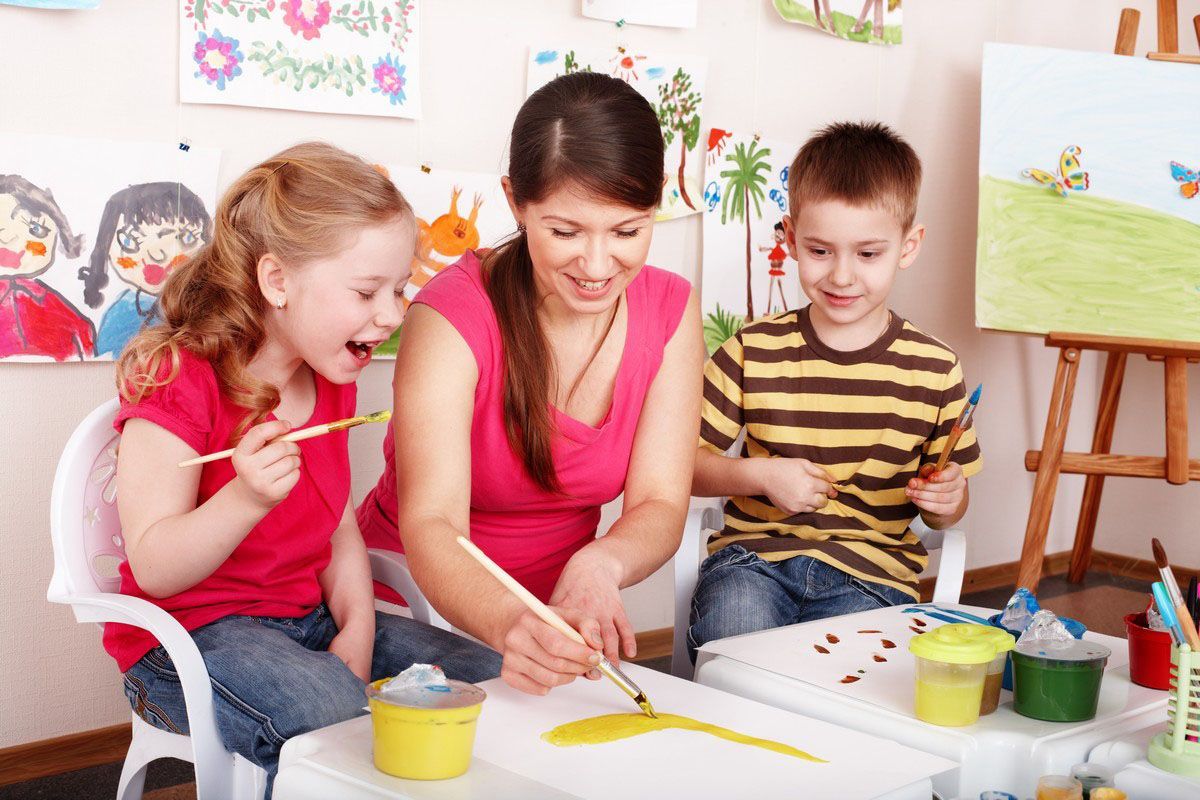
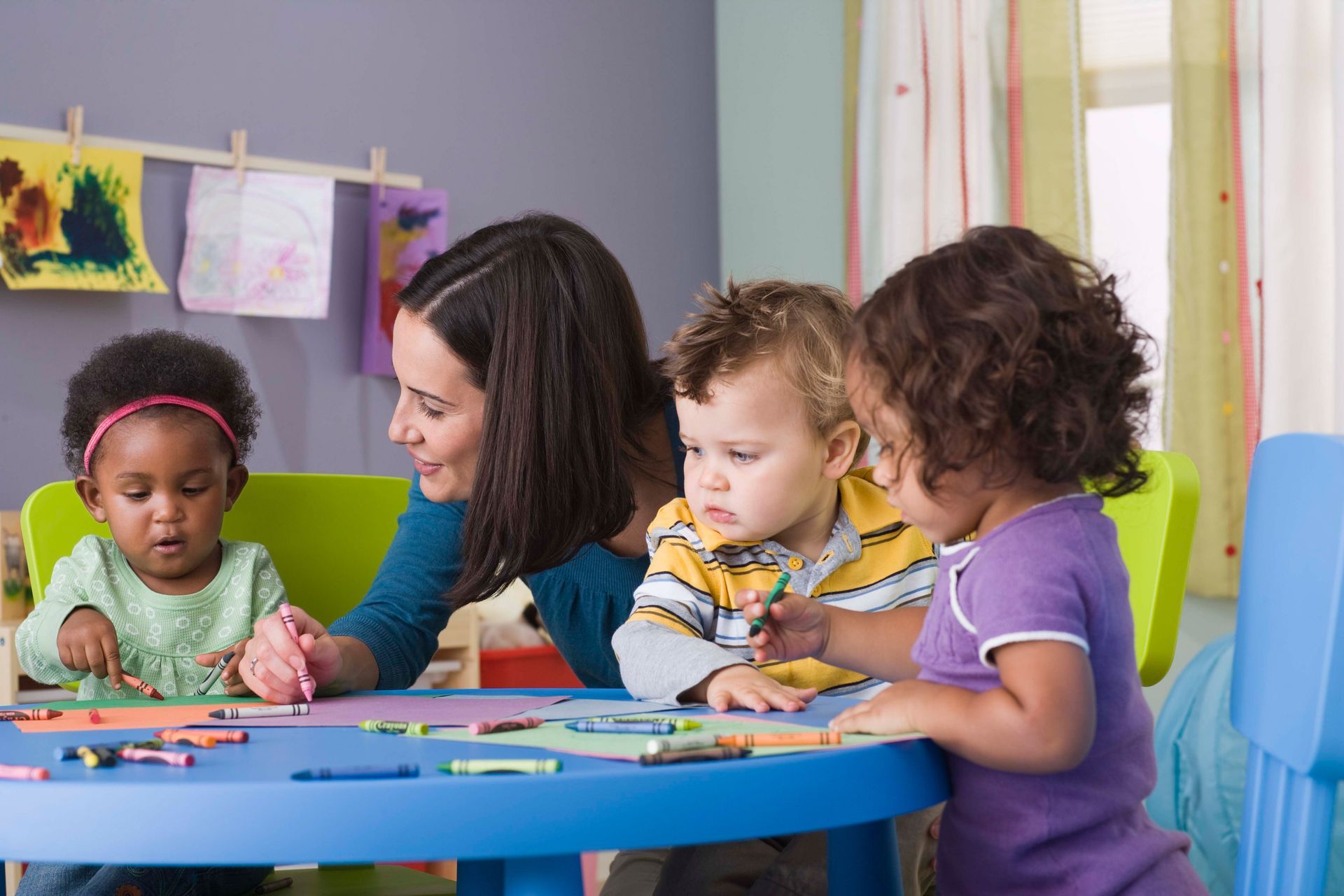
The strength of any preschool experience depends heavily on the educators guiding it. Skilled teachers bring patience, structure, and understanding into the classroom, helping children feel supported as they learn and grow. Their role extends beyond instruction to include emotional guidance and behavioral support.
Educators in a preschool setting are trained to recognize developmental stages and adjust their approach accordingly. This ensures that each child receives support that matches their individual needs and learning pace. A strong educator helps children feel confident while introducing them to new challenges.
Relationships between teachers and children are central to early learning success. When children feel safe and understood, they are more likely to participate and engage with others. This trust creates a positive learning environment where growth happens naturally.
Designing Safe And Engaging Learning Spaces
A safe and well-organized environment is essential in any preschool setting. Classrooms are designed to support movement, exploration, and independence while maintaining clear safety standards. Furniture, materials, and layouts are chosen to match the developmental needs of young children.
In addition to safety, the environment is designed to encourage curiosity. Learning stations, visual materials, and interactive spaces help children explore new ideas throughout the day. This type of environment supports both structured learning and independent discovery.
Outdoor spaces also play an important role in development. Physical activity helps children build coordination, strength, and social interaction skills. Time spent outside allows children to release energy while learning how to work and play with others.
Fostering Social And Emotional Development
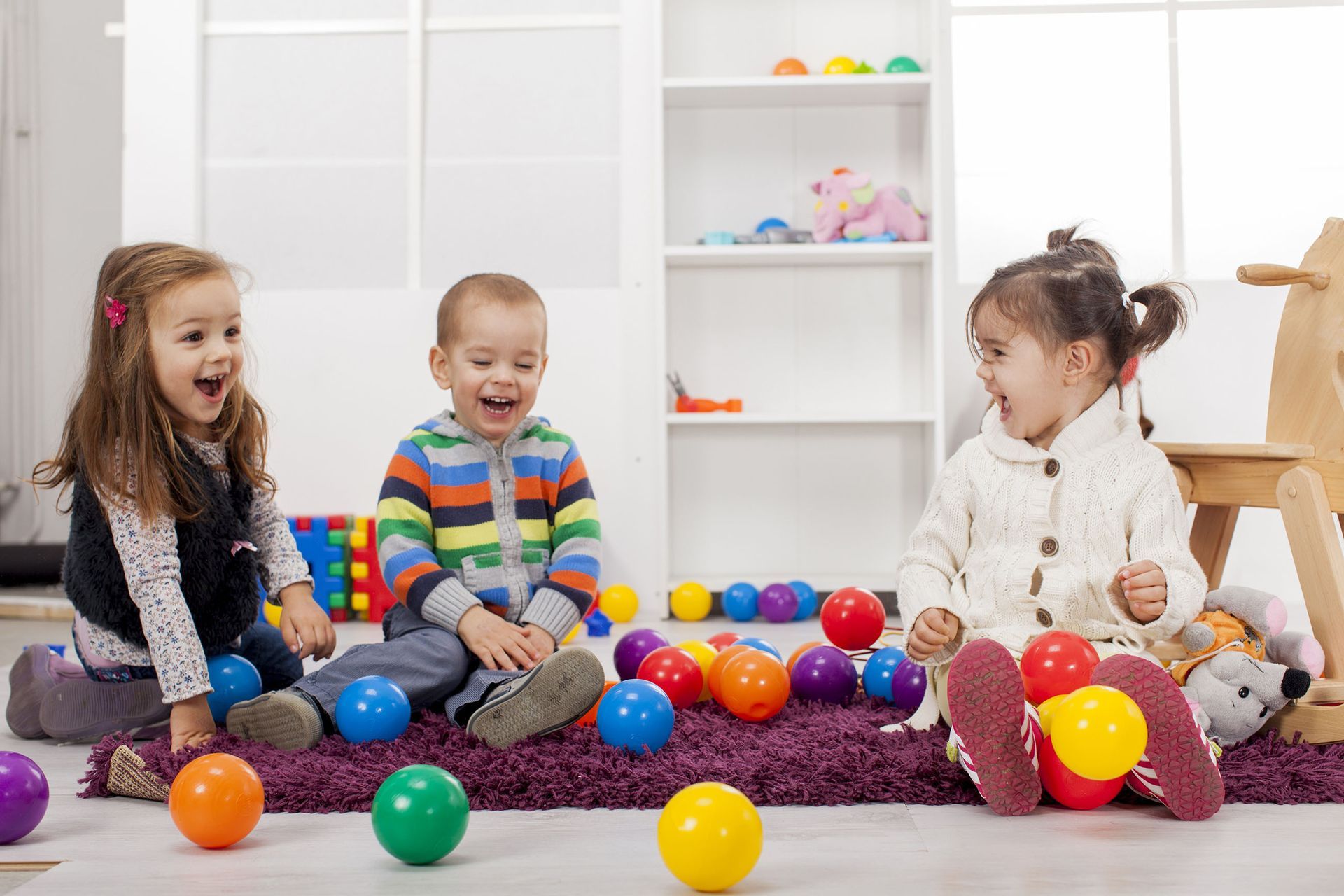
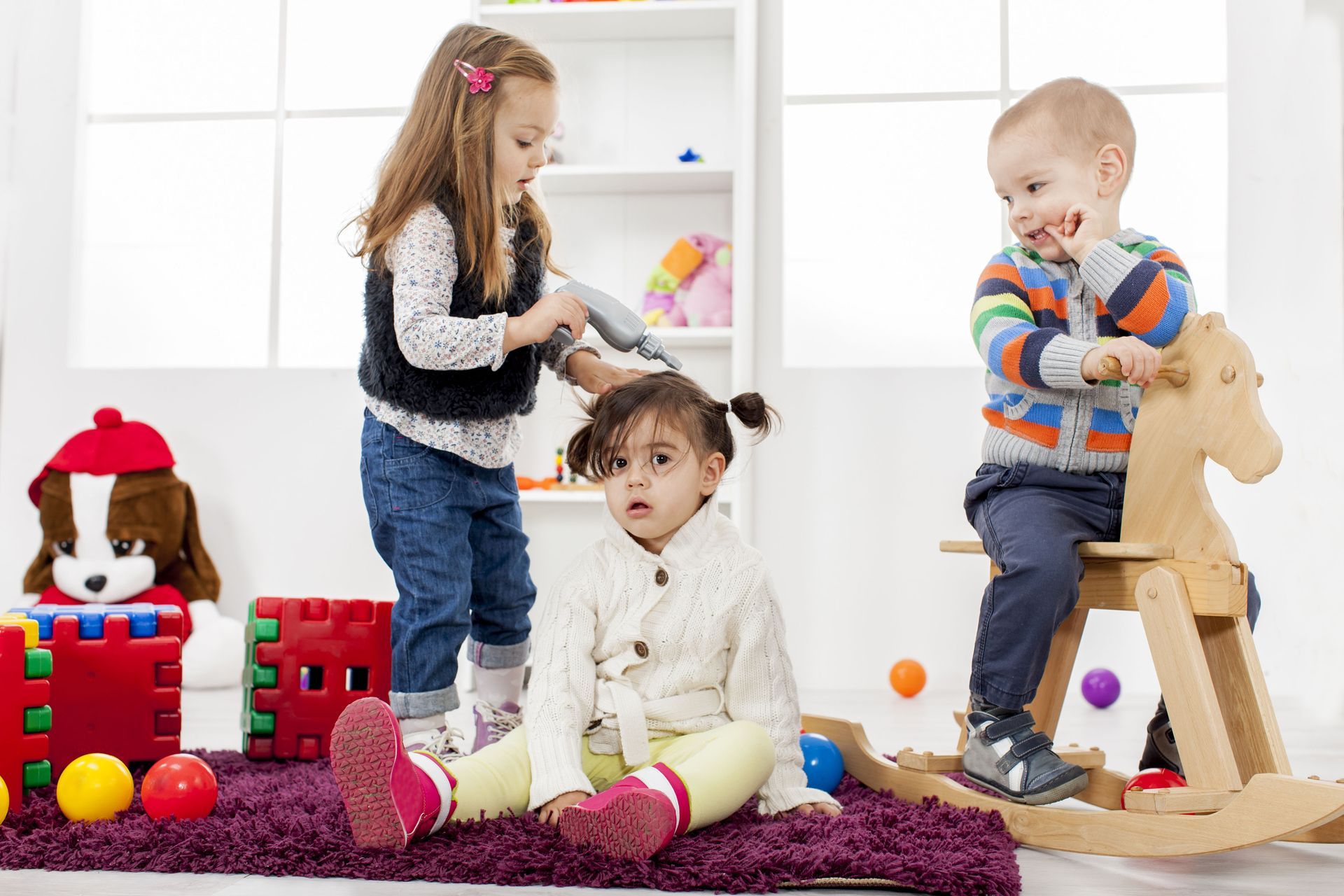
A strong preschool program places significant focus on social and emotional development. Children are given daily opportunities to interact with peers, share experiences, and learn how to communicate effectively. These interactions help build empathy and cooperation skills.
In group settings, children learn how to navigate challenges such as sharing, taking turns, and resolving small conflicts. These experiences are essential for building emotional awareness and resilience. Educators guide these moments to help children understand appropriate responses and behaviors.
Emotional support is also a key part of the learning environment. Children are encouraged to express their feelings in healthy ways and learn how to manage frustration or excitement. This guidance helps create a balanced emotional foundation that supports future learning experiences.
Strengthening Communication Between Families And Educators
Communication between families and educators is a core part of a successful preschool experience. Regular updates help parents stay informed about their child’s progress, activities, and developmental milestones. This transparency builds trust and encourages collaboration.
Many programs use daily reports, meetings, or digital updates to keep families engaged. This ongoing communication allows parents to reinforce learning at home and stay connected to classroom experiences. It also ensures that concerns can be addressed early and effectively.
According to Wellable, research shows that a significant majority of job seekers with children depend on full-time childcare in order to return to work, highlighting the practical importance of reliable early education support. This reinforces how essential structured preschool environments are for working families balancing multiple responsibilities.
Observing Growth And Guiding Development
Ongoing observation and assessment are key parts of a high-quality preschool experience. Educators monitor how children interact with activities, peers, and learning materials to better understand their development. This process is informal but highly effective in guiding instruction.
Rather than focusing on testing, assessment in a preschool environment centers on growth. Teachers use observations to identify strengths and areas where additional support may be helpful. This ensures that each child continues progressing at a comfortable and steady pace.
Feedback is shared with families in a clear and supportive way. This helps parents understand their child’s development and strengthens the connection between home and school. When families and educators work together, children benefit from a more consistent support system.
Building Independence And Long-Term Confidence
A strong preschool experience also focuses on helping children develop independence and confidence. Simple daily tasks such as choosing activities, cleaning up, or participating in group routines encourage self-reliance. These moments help children feel capable and responsible.
As children gain independence, they also develop confidence in their decision-making abilities. This confidence carries into academic learning and social interactions, making future transitions smoother. A supportive preschool environment encourages children to try new things without fear of failure.
Educators play an important role in guiding this growth. By offering encouragement and gentle direction, they help children build trust in their own abilities. Over time, this leads to stronger self-esteem and a more positive approach to learning.
A quality early learning environment brings together structure, safety, skilled educators, and meaningful communication to support a child’s overall development. Each element works together to create a setting where children can learn, explore, and grow with confidence. Families benefit from knowing their child is supported in both academic and emotional areas during these formative years.
A strong preschool experience also helps children build essential life skills that extend beyond the classroom. From communication to independence, these early lessons shape how children approach future learning and social interactions. When these foundations are in place, long-term success becomes more achievable. For families seeking a reliable and supportive early education environment that prioritizes growth, structure, and care, The Stork’s Nest Child Academy Inc provides a strong next step.