By Cheryl Ucci | July 27, 2026
By Cheryl Ucci
July 27, 2026
Early childhood represents a period of remarkable development and natural wonder. During these foundational years, children form essential habits that influence how they learn, communicate, and navigate their surroundings. Parents naturally seek ways to give their children positive, enriching experiences during this developmental phase. Choosing a quality childcare service plays a vital role in meeting early learning milestones. Learning centers offer far more than basic supervision while parents are at work. They deliver enriching daily activities designed to build cognitive abilities, emotional balance, and physical confidence.
According to IBISWorld, the U.S. daycare sector has expanded into a $72.8 billion market in 2026. This significant national figure illustrates how heavily families rely on professional learning programs to prepare young children for future success. By combining dedicated teachers with organized routines, early education centers convert ordinary moments into meaningful milestones. Understanding how structured care benefits your child allows you to make informed decisions about their educational path.
Enhancing Cognitive Development
Cognitive development centers on how young minds process information, explore new concepts, and solve everyday problems. Early learning environments structure their days around engaging activities that stimulate curiosity and logical thinking.
Creating Structured Learning Spaces
Children flourish when their daily routines offer predictable patterns and supportive surroundings. A professional childcare service designs classroom environments that balance free exploration with consistent schedules. Predictable days help children feel secure throughout their time at school.
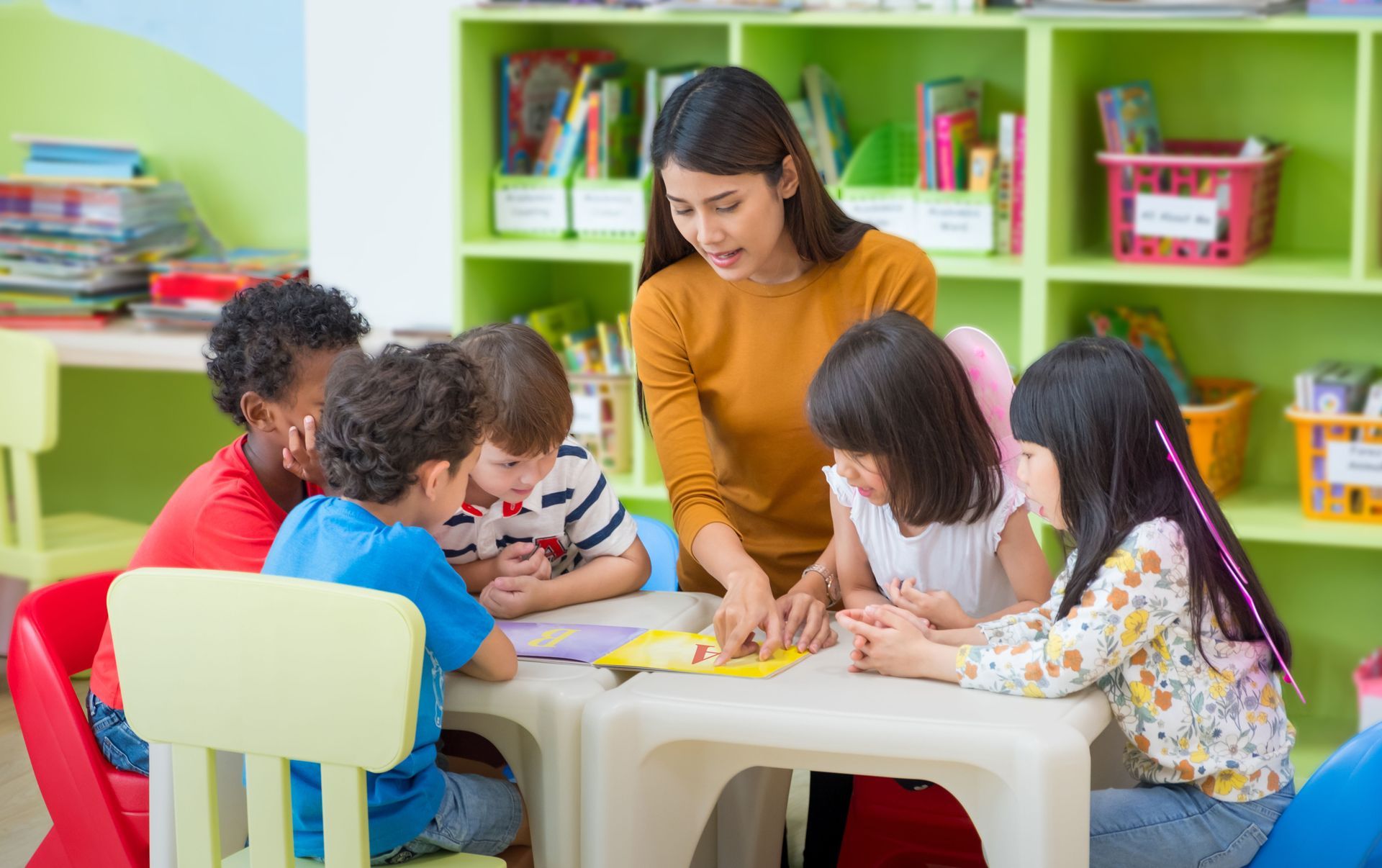
Within these well-organized spaces, teachers introduce fundamental concepts like counting numbers and letter sounds through hands-on play and interactive group reading. Established routines also teach young learners focus and self-control, ensuring future transitions to elementary school remain smooth and enjoyable.
Guiding Learning through Skilled Teachers
The heart of any high-quality classroom rests in its teaching staff. Experienced educators understand child development stages and adapt their teaching approach to fit each child's natural learning pace. Instead of relying on passive lectures, educators ask open-ended questions that encourage children to think deeply about their environment. Teachers model clear speech, guide problem-solving efforts, and prompt children to share their ideas freely. This encouraging interaction fosters self-assurance while building strong, lifelong communication habits.
Providing Access to Educational Materials
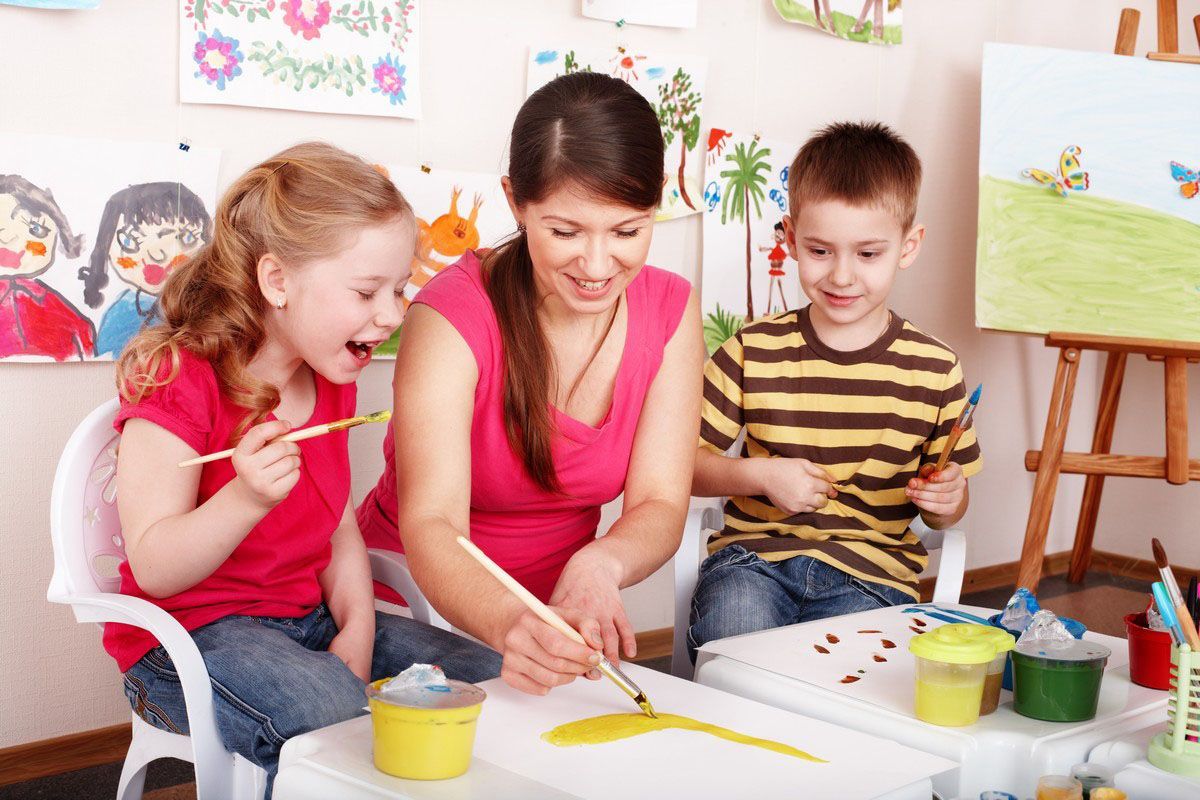
Having direct access to age-appropriate learning resources helps children discover new concepts naturally. Classrooms filled with children's literature, building materials, and art supplies offer endless opportunities for discovery. Reading books together expands vocabulary while imaginative building sets teach spatial relations. Handling real physical objects allows young learners to transform abstract thoughts into practical understanding.
Personalizing Learning Paths
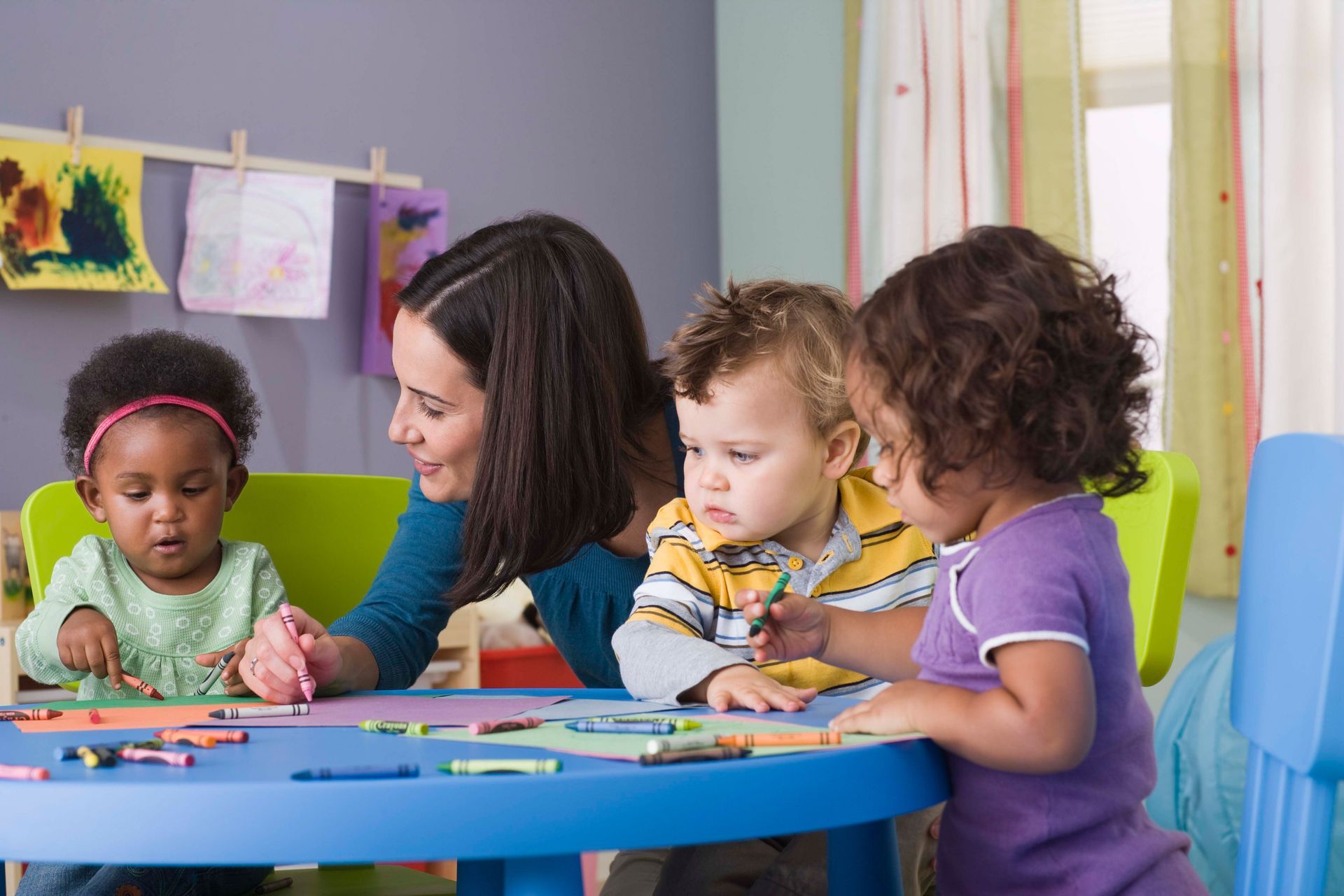
Every child arrives in the classroom with unique talents, interests, and learning styles. An attentive childcare service customizes daily play to match individual developmental needs. Teachers observe how each child approaches challenges, modifying tasks to keep them engaged without causing frustration. Personalized guidance ensures children receive extra support in developing areas while expanding on existing strengths. This focused attention keeps children excited about attending school each day.
Conducting Observational Progress Checks
Evaluating progress in early childhood relies on careful observation rather than traditional tests. Teachers monitor growth by watching how children play, interact, and solve problems during daily activities. These continuous observations offer clear insights into language development, physical coordination, and social maturity. Sharing these regular updates with parents builds a strong partnership focused on child success.
Nurturing Social and Emotional Skills
Developing emotional resilience and positive social habits is just as vital as gaining academic knowledge during early childhood. Group learning settings provide daily opportunities to practice foundational social habits.
Encouraging Daily Peer Interactions
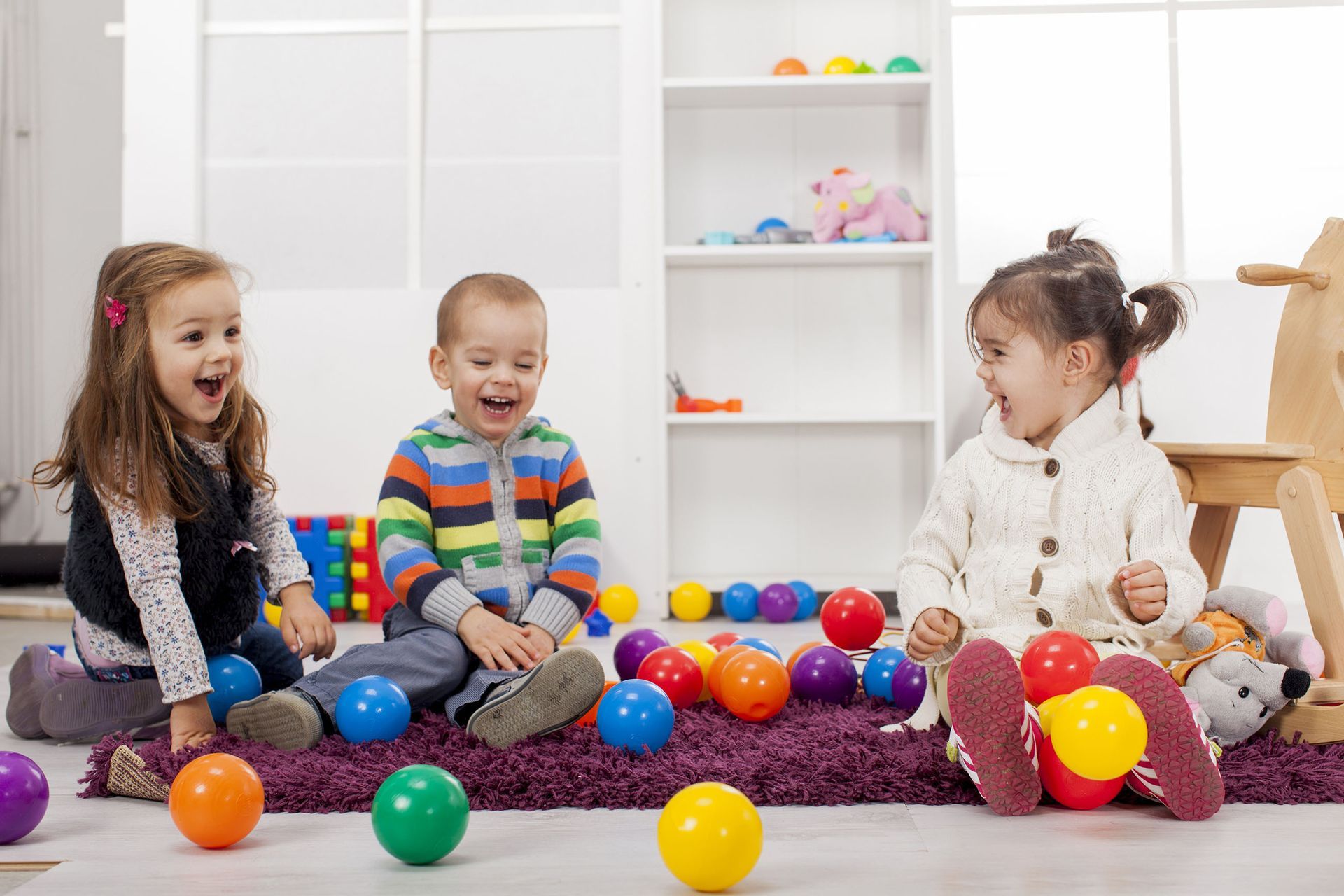
Interacting with classmates teaches young children how to share, take turns, and cooperate during play. Playing together helps children realize that peers have unique feelings and perspectives. Through guided group activities, children build lasting friendships and feel a true sense of belonging. These positive social experiences reduce shyness while enhancing self-assurance.
Building Supportive Care Systems
Children explore new environments with confidence when they feel emotionally secure. Early learning centers prioritize establishing warm, reliable bonds between educators and children. Having attentive adults in the classroom offers children comfort whenever they feel tired or uncertain. When emotional needs receive prompt attention, children gain the courage to try new challenges.
Teaching Conflict Resolution Techniques
Disagreements occasionally occur when children play together in groups. Rather than simply resolving disputes for them, educators use these moments as valuable learning opportunities. Teachers help children identify their emotions and express feelings using calm statements. Learning to listen to peers and reach fair agreements develops independence and emotional maturity.
Strengthening Emotional Intelligence
Emotional intelligence begins when children learn to identify and express different feelings accurately. Early learning programs incorporate storytelling, creative drama, and visual arts to explore emotions safely. Recognizing feelings such as frustration or joy helps children cultivate empathy for those around them.
Offering Safe Learning Environments
A high-quality childcare service maintains a secure setting where children feel safe and appreciated. Classrooms are arranged to encourage safe movement while staff enforce consistent safety protocols. Equally valuable is cultivating an inclusive culture where every child's background is respected. Feeling protected allows children to focus their energy on learning, playing, and growing with peers.
Promoting Physical Health and Motor Skills
Physical development and motor control are closely linked to cognitive growth in early childhood. Active movement strengthens growing bodies while supporting brain health.
Organizing Active Movement Routines
Regular physical exercise is necessary for developing gross motor abilities like balance and running coordination. Group games and outdoor play sessions give children healthy ways to release energy while building physical strength. Movement activities also improve spatial awareness and physical control.
Developing Fine Motor Skills
Fine motor skills involve the small muscle movements of hands and fingers required for writing and drawing. Activities such as rolling modeling dough, stringing large beads, and using safety scissors strengthen finger muscles. Developing hand strength early makes learning to use pencils and writing utensils much easier during elementary school.
Partnering With Families for Success
Early education produces optimal results when parents and teachers collaborate closely throughout the school year. Consistent communication between home and school ensures learning goals remain aligned. Utilizing daily progress notes, periodic conferences, and digital messaging keeps parents informed regarding daily experiences and growth milestones. Choosing a communicative childcare service gives parents peace of mind and simple ideas for extending educational play into the home environment.
Preparing Children for Future Schooling
A core goal of early learning centers involves preparing children for a smooth transition into elementary classrooms. By practicing essential classroom habits—such as following instructions, listening attentively during reading time, and managing personal items—children develop school readiness. Young learners who complete quality early education programs enter kindergarten feeling capable and prepared for academic success.
Investing in early education establishes a strong foundation for your child's cognitive, social, and emotional future. A supportive childcare service offers far more than traditional supervision; it creates a welcoming community where children learn through play, build friendships, and gain independence. From skilled educators and rich learning resources to safe environments and strong family communication, every aspect works together to support your child's growth.
When you are ready to give your child a positive start on their educational journey, selecting the right learning environment makes all the difference. To learn more about our balanced programs and how we support your child's development, contact The Stork's Nest Child Academy Inc today.